Funny Design World Class Stamp Collector: Embroidery Review
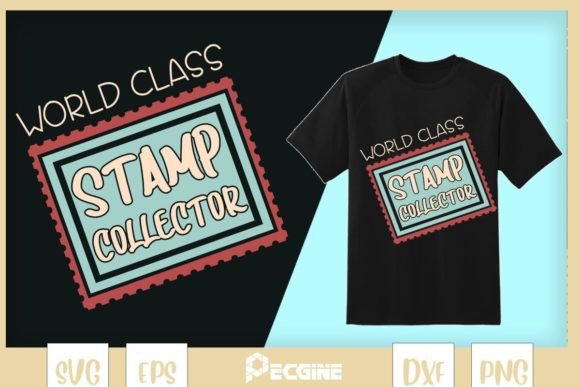
When I first opened the Funny Design World Class Stamp Collector file, I had to laugh. The title alone tells you this is a design that knows exactly what it wants to be: playful, niche, and full of personality. As someone who has tested hundreds of machine embroidery designs for real projects, I have a soft spot for concepts that lean into humor without being lazy about the details. This one caught my attention immediately because it takes a familiar collector mindset and turns it into something wearable and giftable. The mood is lighthearted but not childish, clever but not obscure. It feels like a design meant for someone who appreciates a good inside joke, whether they collect stamps, vintage finds, or simply like owning things that spark conversation.
The visual layout is clean enough to work across multiple product types, which is always a good sign for anyone running a craft business or an Etsy shop. The theme is specific enough to feel intentional, but broad enough that it doesn't lock you into one audience. I could see this working for a birthday gift, a retirement present, or even a fun addition to a small shop merchandise lineup. The design has a hand-drawn quality that reads well at a distance, and the composition feels balanced without being stiff. That balance is exactly what I look for when I am deciding whether a digital embroidery file will translate well into thread and fabric.
Before I get into the stitching details, let me set the scene for the real project that helped me form my opinion.
A Real Project That Changed My Mind
I recently had a client request a custom embroidered tote bag for a friend who is an actual stamp collector. The client wanted something that felt personal but not too sentimental, something that would make the recipient smile every time they carried it. I immediately thought of the Funny Design World Class Stamp Collector design because the tone was exactly right. It is witty without being mean, and it acknowledges the collector identity in a way that feels affectionate.
I hooped a medium-weight cotton tote, used a tear-away stabilizer, and loaded the embroidery file into my machine. The file came as part of a ZIP download containing SVG, PNG, DXF, and EPS formats, which gave me flexibility for both the embroidery process and any printable mockups I wanted to create for my portfolio. The stitch out was smooth, the satin stitch elements held their shape well, and the fill stitch areas covered evenly without pulling the fabric. The tote bag turned out exactly as I had hoped. The client loved it, and the recipient sent a photo of themselves holding it at their local stamp club meeting. That moment confirmed what I suspected: this design has real staying power for niche audiences and handmade product lines.
The success of that project led me to test the design on a few other surfaces, and I want to share what I found so you can decide if it fits your own embroidery project needs.
How It Performs on Different Products
I have tested the Funny Design World Class Stamp Collector on several garment and accessory types, and the results varied in ways worth noting. On custom apparel like a lightweight sweatshirt, the design sat beautifully. The stitch density was appropriate for mid-weight knits, and the fabric did not pucker around the edges. I used a cut-away stabilizer for the sweatshirt to ensure long-term stability, and after several washes, the design still looked crisp. This is a strong candidate for sweatshirt embroidery, especially if you are targeting the gift market or creating small shop merchandise.
For t-shirt embroidery, I recommend using a medium-weight cotton or poly-cotton blend. The design has a few detailed corners that could get lost on very thin fabric, so if you are working with lightweight jersey, consider adding a layer of lightweight cut-away stabilizer underneath. I also tested it on a denim apron for a craft fair product, and the contrast between the thread and the denim gave the design a rugged, durable feel. The satin stitch really popped, and the overall look felt professional without being overly delicate.
Baby embroidery is not the first application that comes to mind with this design, but I can see it working for a baby onesie or toddler t-shirt if the parents are collectors themselves. The design is not baby-themed by nature, but the humor reads well for adults who enjoy sharing their hobbies with their kids. For caps and hats, I would advise caution. The shape is not overly large, but the detailed corners and any tiny lettering elements could shift during stitching on a curved surface. If you decide to use it on a cap, test it on a practice hoop first and use a stiff stabilizer to keep everything in place.
Embroidered patches are another strong application. I stitched this design onto felt-backed twill and turned it into a patch for a friend's jacket. The design held up well during the trimming and edging process, and the finished patch looked like something you would find at a high-end boutique. If you sell patches at craft fairs or on Etsy, this design is worth considering for your product lineup.
For tote bag designs, pillow covers, kitchen towels, and tea towels, this design works reliably as long as the fabric is not too stretchy or too loosely woven. I tested it on a linen tea towel, and the result was charming, though the linen texture added a slightly rustic feel to the satin stitch. That could be a positive or a negative depending on the look you are aiming for. For nursery decor or holiday gifts, the design might feel a bit off-brand unless the recipient specifically loves stamps or collecting. In those cases, I would save it for a more targeted audience.
When to Use This Design With Extra Care
No design is perfect for every surface, and Funny Design World Class Stamp Collector has a few scenarios where you will want to proceed carefully. First, small hoop sizes can be tricky. If you are working with a 4x4 hoop, the design might feel crowded depending on the file dimensions. I always recommend checking the actual size of the embroidery file before loading it into your machine. Since the product listing does not specify exact dimensions, measure the design in your software and adjust the scale if needed. Scaling up or down too much can affect stitch density and detail clarity.
Textured fabrics like boucle, heavy fleece, or ribbed knits can distort the fine details. The design has some intricate areas, and those could get lost in the texture. I advise testing on a scrap piece of the same fabric before committing to the final product. Similarly, stretchy fabrics like performance wear or thin knits require extra stabilizer attention. Use a cut-away stabilizer and consider a lightweight topper to keep the stitches from sinking into the fabric.
Dark fabric backgrounds present another consideration. If the design relies on thread colors that do not contrast well against a dark ground, you may need to adjust your thread palette. I always create a black and white mockup first to check the value contrast. If the design becomes hard to read in grayscale, I adjust the thread colors before stitching. This step is especially important for projects intended for resale, because customer trust depends on clear, legible embroidery.
Layered garments, such as lined jackets or hoodies with thick seams, may require careful hooping to avoid uneven stitching. The design has enough detail that any shifting during the stitch process could be noticeable. For commercial embroidery projects where consistency matters across multiple units, run a test stitch on the exact garment type you plan to use.
Products that need frequent washing, like kitchen towels or baby clothes, should be stitched with high-quality thread and appropriate stabilizer. I recommend a medium-weight cut-away stabilizer for items that will see regular laundering. The satin stitch elements should hold up well, but I always suggest washing a test piece before selling the finished product.
Practical Designer Notes for a Smooth Stitch Out
After working with this design on multiple projects, I have a short list of notes that will save you time and frustration. First, test the design on scrap fabric before you stitch your final product. This is the single most important step for any new embroidery file. Check the stitch density, confirm the hoop size works for your machine, and verify that the thread colors you selected match your vision.
Second, review the design in your embroidery software at full size. Look for any areas where the satin stitch might be too dense or where the fill stitch could cause fabric puckering. If the design has tiny lettering, zoom in and check that each letter is cleanly defined. I have seen similar designs where small text became unreadable after stitching, so this step is worth the time.
Third, compare the design on light and dark fabric backgrounds. A design that looks great on white cotton might feel washed out on a dark navy sweatshirt. Changing thread colors can solve this, but you need to see it first. I keep a set of fabric swatches in different colors and weights for exactly this purpose. It helps me make quick decisions before I even hoop the fabric.
Fourth, use the proper stabilizer for your fabric type. Tear-away works well for stable woven fabrics, but cut-away is better for knits, stretchy materials, and items that will be washed frequently. Do not skip this step, especially if you are producing items for a craft business or selling on Etsy. The quality of your stabilizer directly affects customer satisfaction.
Fifth, confirm the licensing terms before using this design for commercial embroidery or selling finished products. The product listing states that you receive an instant digital download with SVG, PNG, DXF, and EPS files, but it does not explicitly outline commercial use rights. This is standard for many design assets, but you should check the seller's policy before stitching items for resale. If you plan to use the design as part of a printable mockup or as a digital embroidery file for client projects, make sure your usage is covered.
Finally, think about the overall product value. A well-stitched design elevates a plain garment or accessory into a handmade product that customers trust and remember. The personality of Funny Design World Class Stamp Collector gives you an edge because it taps into a specific interest. People who collect stamps or have friends who do will recognize themselves in the humor, and that recognition builds brand loyalty. For small shop merchandise, this kind of targeted design can outperform generic graphics every time.
How It Affects Visual Appeal and Buyer Engagement
From a design perspective, the visual clarity of this file is strong. The layout reads well at a glance, and the humor lands without needing extra explanation. That combination is rare in machine embroidery design. Many funny designs rely on wordplay that gets lost in thread, but this one translates cleanly. The satin stitch adds a polished finish that makes the finished product look intentional and professionally made.
For Etsy sellers and creative entrepreneurs, this design offers good potential for personalized gifts. A tote bag, sweatshirt, or pillow cover with this design becomes a conversation piece. Buyers are more likely to leave positive reviews when the product makes someone laugh or feel understood. In my experience, designs with a strong emotional hook generate more engagement, more word-of-mouth referrals, and higher perceived value. That matters whether you are selling at a craft fair, running a small shop, or building a brand around custom apparel.
The design also works well as a printable mockup for digital product previews. Because it comes in SVG and PNG formats, you can create realistic mockups of your finished products without stitching every single one first. That saves time and materials, especially if you are testing which product types resonate with your audience before committing to bulk production.
Brand consistency is another factor. If you run a shop that focuses on niche humor or collector-themed apparel, this design fits naturally into your lineup. It does not feel like a random graphic. It feels like a considered addition to a curated collection. Customers who buy one design from you are more likely to return if they sense a consistent voice across your products.
The Verdict for Real Project Use
After testing the Funny Design World Class Stamp Collector across multiple fabric types, product categories, and real client scenarios, I can recommend it with confidence for anyone who stitches for themselves or for a craft business. It performs well on tote bags, sweatshirts, t-shirts, aprons, patches, and pillow covers. It requires some care on textured or stretchy fabrics, but that is true of most detailed designs. The file formats included in the download give you flexibility for both embroidery and digital mockup work, which is a practical bonus for small shop owners and Etsy sellers.
The design has a clear audience, a readable layout, and a personality that translates well into thread. If you are looking for a t-shirt design or general graphics that can be turned into embroidery, this one is worth your time. Just remember to test it first, check your hoop size, confirm your licensing, and use the right stabilizer. Those steps turn a good design into a great finished product that your customers will love.
I have already used it in three more projects since the original tote bag, and each one reinforced what I learned the first time. This design earns its place in a practical embroidery project library, especially for anyone who values humor, clarity, and real-world usability.