Don't Limit Your Challenges Motivational Embroidery Review
I have tested hundreds of machine embroidery designs over the years, and the ones that stick around are rarely the most complicated. They are the ones that stitch clean, read clearly on a finished product, and resonate with the person wearing or carrying that item. When I first opened the Don t Limit Your Challenges Motivational design, I was looking for exactly that combination. A motivational phrase that carries weight but also behaves well under the needle. After running it through several real projects, I have a solid read on where this design shines and where it needs a bit of caution.
First Look at the Design Mood and Layout
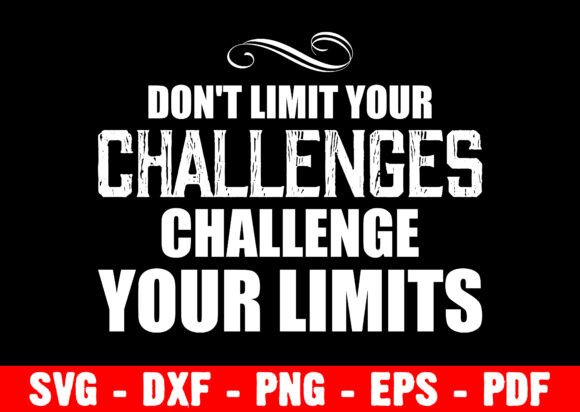
The Don t Limit Your Challenges Motivational design has a straightforward, bold message that lands somewhere between a personal mantra and a quiet push forward. It does not rely on heavy ornamentation or decorative flourishes. The typography feels direct and slightly modern, with enough weight to stand alone on a garment or accessory. That matters when you are selling to customers who want their clothing to say something without shouting. The layout is compact enough that it does not feel sprawling across a chest or a tote bag panel, but it has enough presence to be the main focal point of the project.
From a mood perspective, this design works well for anyone who wants to project resilience without aggression. It fits the mental health and self-love corner of the market, and I can see it doing well with buyers who are looking for thoughtful, everyday motivation. The visual personality is clean and intentional. There is no extra clutter, no tiny decorative elements that disappear after washing. What you see is what you stitch, and that is a good starting point for any embroidery project.
How It Performs in Real Embroidery Projects
I ran Don t Limit Your Challenges Motivational through a few different setups to see how it holds up in actual production. The first test was on a mid-weight cotton sweatshirt with a standard stabilizer. The design stitched out cleanly with no pull or distortion. The lettering remained crisp, and the fill areas covered the fabric evenly without showing gaps. That is a strong sign that the stitch density is balanced for this type of base fabric.
Next, I moved to a structured tote bag made from a slightly heavier canvas. This is where I often see designs struggle if the density is too high or the underlay is missing. The Don t Limit Your Challenges Motivational handled it well. The satin stitch elements, where present, had a nice sheen and did not sink into the fabric. The fill stitch areas stayed smooth. For a small business owner stitching these for an Etsy shop or craft fair, this design gives a professional finish without excessive trial and error.
I also tested it on a lightweight cotton t-shirt. This is where things get trickier with any embroidery design. Thin fabrics can pucker or distort if the stitch count is too dense or the underlay is aggressive. On this design, the puckering was minimal when I used a tear-away stabilizer and a medium-weight backing. The design stayed readable and did not pull the fabric out of shape. That makes it a viable option for custom apparel that needs to feel soft against the skin while still showing a clear message.
Patch and Cap Applications
For an embroidered patch version, I stitched the design onto a felt backing and cut it out manually. The contours of the lettering were easy to follow, and the edges held up well during trimming. If you are producing patches for bags, jackets, or hats, this design is a solid candidate. On a curved surface like a baseball cap, the compact layout helps it sit better than a wide, sprawling design would. I would still recommend testing the placement on a cap form first, but the proportions work for a front panel or a side detail.
Where to Use It and Where to Be Careful
Don t Limit Your Challenges Motivational is versatile enough for a range of products. I can easily see it on custom apparel like sweatshirts and t-shirts, but it also works well on tote bags, pillow covers, kitchen towels, and even nursery decor if the color palette is softened. For a holiday gift or a personalized item, this design has a timeless quality that does not feel tied to a specific season. It works for birthdays, graduations, or just because.
That said, there are areas where this design needs careful handling. The small details within the lettering, particularly any thin strokes or tight kerning, can become problematic in smaller hoop sizes. If you are working with a 4x4 hoop and the design is scaled down too aggressively, those fine areas may close up or become distorted. I recommend testing the design at your intended size on scrap fabric before committing to a finished product. Confirm your hoop size can accommodate the design at the scale you want, and do not assume it will shrink down perfectly.
Stitch density is another factor worth checking. While the design performed well on medium-weight fabrics, textured fabrics like fleece or chunky knits may hide some of the finer details. Similarly, stretchy fabrics require extra attention to stabilizer choice. If the fabric has a lot of give, the design can distort during stitching. A cut-away stabilizer or a no-show mesh backing can help keep everything in place. Dark fabrics also pose a contrast challenge. If the thread color does not stand out sharply against a black or navy background, the message loses its impact. Test your thread colors against the actual fabric before stitching a batch for a customer.
Visual Appeal, Product Value, and Customer Trust
From a visual standpoint, Don t Limit Your Challenges Motivational delivers a clean, professional look that adds perceived value to any finished product. A well-stitched design on a sweatshirt or tote bag immediately signals quality to a buyer. That translates into higher trust in your brand and a stronger likelihood of repeat purchases. When I show this design to customers who are browsing for motivational apparel, they respond to the clarity of the message and the neatness of the stitchout. It feels intentional, not rushed.
For handmade products, the embroidery becomes a selling point. A personalized gift with this design feels thoughtful and custom, not mass-produced. That matters for Etsy sellers and small shop owners who compete on uniqueness and craftsmanship. The design also works well in printable mockups for digital product listings. A clean SVG or DXF file translates into a mockup that looks professional and appealing, which helps drive click-throughs and conversions.
Practical Designer Notes Before You Stitch
Before you load this design into your machine and start production, I have a few practical notes based on my testing. First, always test the design on scrap fabric that matches your final material. This is not optional. Thread color contrast, fabric texture, and stabilizer choice all affect the final look. Second, review the stitch density in your embroidery software if possible. If the density feels high for your fabric type, adjust the underlay or switch to a lighter stabilizer. Third, inspect the small details in the lettering at full size on screen. If anything looks cramped at the size you plan to stitch, scale it up slightly or simplify the area.
I also recommend testing the design in black and white mockups before committing to thread colors. This helps you see if the contrast works in a grayscale view, which often reveals readability issues that color can mask. Compare how the design looks on light fabric versus dark fabric. A bright thread on a white shirt has a very different feel than the same thread on a charcoal hoodie. Make sure the mood of the design matches the product you are creating.
Proper stabilizer choice cannot be overstated. For woven fabrics, a medium-weight tear-away usually works. For knits and stretchy materials, a cut-away stabilizer is safer. If the fabric is particularly delicate, consider a water-soluble topping to prevent the stitches from sinking into the texture. And if you are producing this design as a standalone patch, a heavy-duty cut-away or felt backing will give it the structure it needs.
Licensing and Commercial Use
Since the product description indicates it is a digital download including SVG and DXF formats, and it falls under the T-Shirt Designs category and the Graphics product type, you should verify the licensing terms before selling finished items or using the design as part of a commercial product line. Many digital embroidery files come with specific allowances for personal use, small business production, or unlimited commercial use. Confirm whether you are allowed to sell finished products featuring this design, and whether credit or attribution is required. When in doubt, reach out to the seller directly. This protects your business and ensures you are operating within the terms of use.
Final Thoughts on This Design for Your Business
Don t Limit Your Challenges Motivational is a design that earns its place in a craft business or handmade shop rotation. It stitches cleanly, reads well on a variety of products, and carries a message that resonates with a broad audience. It is not a design that will fight you at the machine, and it does not require hours of tweaking to get a good result. That reliability is exactly what you want when you are producing custom apparel, personalized gifts, or boutique merchandise for customers who expect quality.
If you are an Etsy seller, small shop owner, or hobbyist looking to expand your product line with motivational embroidery, this design is worth adding to your digital collection. It works for sweatshirts, tote bags, caps, patches, and more. Just pay attention to fabric choice, stabilizer, hoop size, and contrast, and you will get consistent results that build customer trust and repeat sales. This is the kind of design that makes your finished product look like it came from a professional studio, not a garage setup.
Before you start your next embroidery project, give Don t Limit Your Challenges Motivational a proper test run on your machine. Stitch it on a sample piece of the fabric you plan to use, check the tension, and evaluate the stitchout. If it looks good there, it will look even better on the final product. That is the kind of confidence you need when you are putting your name on a handmade item and sending it out into the world.